

Staying safe online shouldn’t feel like a chore or a puzzle only tech experts can solve. When you’re just looking things up or settling a friendly debate, you deserve to browse without feeling like someone is watching you. Keeping your online habits to yourself is actually quite simple once you know the basics. Wikipedia privacy is all about making sure your curiosity stays private, just the way it should be. By using a few simple tools and being a bit more aware of how the internet works, you can enjoy all that free knowledge without giving away your personal secrets. It is all about making sure that your curiosity doesn’t leave a trail that leads right back to your front door or your private identity.
What is Wikipedia Privacy?
At its heart, Wikipedia privacy is just the idea that you should be able to read and learn without the whole world knowing what you’re looking at. While the site itself is actually very respectful and doesn’t try to sell your data to advertisers, the “pipes” of the internet—like your service provider or local hackers—can still see your IP address. Think of this address like your home’s digital mailbox. If it’s left out in the open, strangers can easily find your general location. Staying private means putting a cover over that mailbox so you can browse freely. If you’re looking into professional options, you might see a Wikipedia page creation services list that explains how experts keep their clients’ identities under wraps while building pages.
Why Wikipedia Privacy is Important
You might wonder why it matters if someone knows you’re reading about space or history, but personal privacy is a big deal on any open-source site. There are companies out there that “mine” data, which is just a fancy way of saying they collect tiny bits of info about you to create a profile for ads. Also, because the platform survives on donations, they sometimes need to see how people use the site to keep things running, but you should always be the one in control of that info. Some people even ask, “does Wikipedia pay for articles?” and while the answer is no, the value of the information there is huge, which is why it attracts so much attention. Keeping your data private ensures that your personal interests stay personal and aren’t used to target you later.
VPNs & Wikipedia Privacy: A Perfect Match
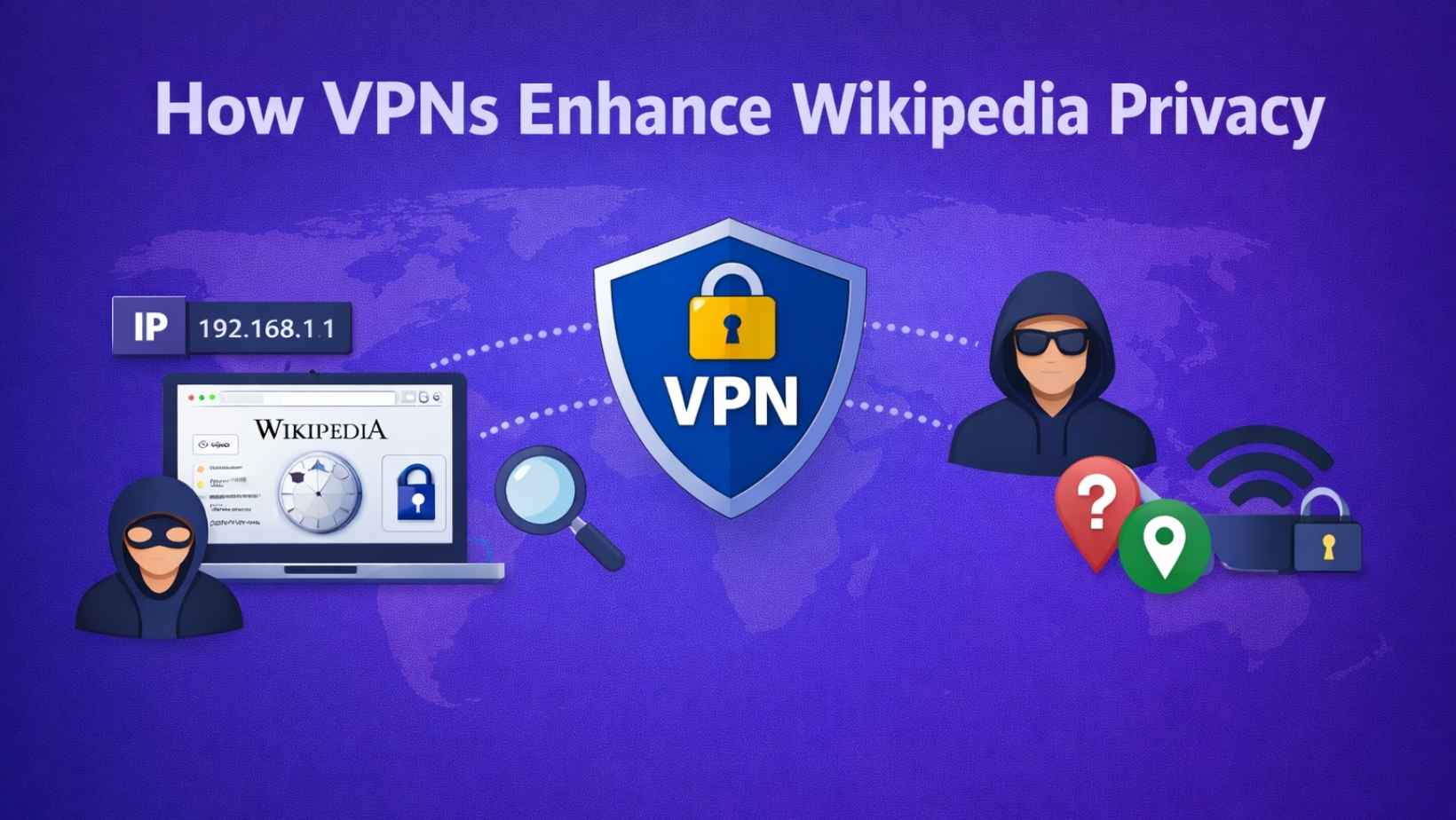
A VPN is basically a “digital tunnel” that hides you from the rest of the internet while you’re moving from site to site. It is one of the most effective ways to ensure your physical location and reading habits remain hidden from anyone attempting to monitor your activity. Using one is essentially like wearing an invisibility cloak while you walk through a library. You can explore every shelf, but nobody knows exactly who you are.
How VPNs Protect Your Privacy on Wikipedia
When you activate a VPN, it replaces your actual location with a virtual one and protects your information so it remains unreadable to others. This is beneficial because it prevents advertisers or trackers from monitoring your activity while you explore a new topic. For instance, if you are using public Wi-Fi at a café, a VPN ensures that no one nearby can monitor your Wikipedia Privacy settings or see what you are typing. It is the same reliable technology people use when they want to learn how to watch SonyLIV in USA, as it allows you to appear as if you are in another country while keeping your personal data secure from prying eyes.
Best VPNs for Wikipedia Privacy
Not all VPNs are built the same, so it is important to find one that guarantees it won’t keep any records or logs of your activity. You want something that stays fast so your pages load quickly, but strong enough that it won’t “leak” your info by accident. Binge VPN is a very popular choice for people who want something easy to use that still offers top-tier protection.
| VPN Name | Why It’s Good | Privacy Level |
| Binge VPN | Very fast for reading | No-Logs Guarantee |
| PrivacyShield | Great for beginners | Very High |
| SafeBrowse | Cheap and reliable | Standard |
Picking a good tool is the best way to ensure your Wikipedia privacy is working around the clock without you having to think about it too much.
VPN Features That Enhance Wikipedia Privacy
A vital feature to consider is the “Kill Switch,” which may sound technical but is simply a safety measure that cuts your internet connection if the VPN drops, preventing your real details from being exposed. You should also have the ability to select different server locations, allowing you to choose which country you appear to be in. These straightforward features provide a much greater sense of security as you browse through thousands of articles while maintaining Wikipedia privacy.
Understanding Wikipedia’s Privacy Policy & User Data Collection
It is always wise to understand the guidelines of the websites you visit, as each platform has its own way of managing your information. Even though the encyclopedia is a non-profit, it must collect a small amount of data to ensure the site functions correctly. Being aware of these rules helps you decide when to use extra layers of protection to keep your personal browsing history secure.
What Data Does Wikipedia Collect?
The platform typically keeps track of basic details like the type of device you are using, your IP address, and your search queries. They also use “cookies,” which are small files that allow the site to remember your language or display preferences for your next visit. If you are a business owner seeking a professional presence, contacting the best Wikipedia consultancy can help you manage these technical details for high-profile pages while ensuring your information is handled correctly. By knowing what is being watched, you can better manage your Wikipedia privacy and keep your more sensitive searches under wraps.
Wikipedia’s Privacy Settings and Controls
The good news is that you actually have some power over how much the site knows about you through your user settings. There is a big difference between just browsing and being logged into an account; an account gives you more “privacy tools,” but it also means your name is attached to your actions. If you are discovering how to format your Wikipedia article, you will see that the platform offers several options to keep your history private. Taking just a few minutes to adjust your settings is an excellent way to improve your security on the site without requiring any additional software.
How Wikipedia Handles User Data
The platform is very open about what they do, and they even put out reports explaining how they keep user data safe from governments or outside groups. They follow a “less is more” rule, meaning they try to delete your info as soon as they no longer need it to run the site. This honesty is one of the reasons people trust the site so much for their daily information needs.
How To Maintain Wikipedia Privacy While Editing
Choosing to write or improve an article means you are taking on a more visible role within the community. Since every change is saved in a public log for anyone to review, it is vital to be mindful of your personal information. Maintaining a sense of anonymity while you contribute allows you to share knowledge with the world while keeping your private life secure.
Using Anonymous Editing on Wikipedia
You can actually edit most pages without even making an account, which feels private, but the site will actually show your real IP address to everyone instead of a username. To avoid this “IP leak,” many people use a VPN to show a fake address while they type up their contributions. This is one of the best ways to maintain Wikipedia privacy while still being an active member of the community. For those who find this a bit overwhelming, Wikipedia page creation agencies are available to do the heavy lifting while keeping everything strictly confidential.
Privacy Risks for Wikipedia Editors
One of the most significant risks for any editor is having their real identity uncovered by others through their digital footprint. If you are working on sensitive or debated topics, someone could attempt to trace your location, which is why maintaining a layer of online protection is so essential for your safety. Some people ask, “can you pay someone to create a Wikipedia page?” and one reason they do this is to keep their own name and location out of the public logs. Without a VPN, your Wikipedia privacy can be compromised just by fixing a typo on a page that someone else happens to be watching closely.
How to Stay Anonymous as a Wikipedia Editor
The best tip for staying hidden is to never mention your real-world details, like where you work or where you went to school, in the “talk” sections of the site. You should also use a VPN that changes your IP address every so often so that no one can build a “map” of your activity over time. Using the best Wikipedia editing services is another great way to ensure that the work gets done perfectly without you ever having to step into the spotlight yourself.
Using VPNs To Bypass Regional Restrictions On Wikipedia
In certain regions, access to the same information as the rest of the world is limited by local restrictions. In these situations, using a VPN is not just about staying private; it is about ensuring you have the freedom to find the truth. By virtually “traveling” to another country, you can get around these blocks and read whatever you want.
How Wikipedia Censorship Affects Privacy
When a region restricts access to certain websites, authorities may monitor those who attempt to visit them, creating risks for personal safety. In these areas, simply trying to learn about history or world events can jeopardize your personal security. Protecting your information becomes a vital step in accessing knowledge safely and freely. For people living in these areas, or even travelers, a VPN is the only way to reach the site safely. It’s a similar struggle to when people are trying to figure out how to watch DStv in the UK or how to watch Sky Go in USA, it’s all about getting past those invisible digital borders.
How VPNs Help Bypass Wikipedia Censorship
A VPN works like a secret passage; it lets you hop over the “wall” that a government has built around the internet. Once you’re through, you can access the encyclopedia as if you were sitting in a completely different country where the internet is totally open. This not only lets you read what you want but also hides your activity so the “border guards” don’t even know you were there. This is a trick used by people wanting to know how to watch German tv in UK or even how to watch Crave TV in USA to get the content they pay for. Using a VPN ensures that your Wikipedia privacy is protected even when the world around you is trying to restrict what you can see.
VPN Security Features for Secure Wikipedia Access
Certain VPNs offer a feature that masks your encrypted connection to appear like standard internet traffic. This is crucial in regions that actively block such tools, providing an additional layer of protection for your identity. When paired with high-level security, these features ensure that you can reliably access the information you need without being interrupted.
Summary: How VPNs & Smart Privacy Practices Protect You On Wikipedia
Ultimately, staying safe online comes down to taking small, proactive steps to protect your personal information while you explore. Relying on a dependable VPN, periodically reviewing your account settings, and being mindful of what you share are the most effective ways to ensure your research remains private. You do not need to be a technical expert to achieve a high level of Wikipedia privacy; you simply need the right tools and a basic understanding of how to use them. Whether you are searching for simple facts or researching complex global topics, your personal security should always remain the top priority. By keeping your identity shielded and your data secure, you can explore everything the internet has to offer with complete confidence and total peace of mind.